

Travel writer Jessica Lockhart takes us on and adventure in French Polynesia in this extract from LONELY PLANET BEST IN TRAVEL 2027, which is out now.
Does it feel a bit obvious that we’re suggesting a tropical South Pacific destination for its aquamarine waters? Fair enough. But in French Polynesia, ocean adventures aren’t limited to flopping on white-sand beaches – they’re an opportunity to gain deeper insight into the Polynesian culture and way of life.
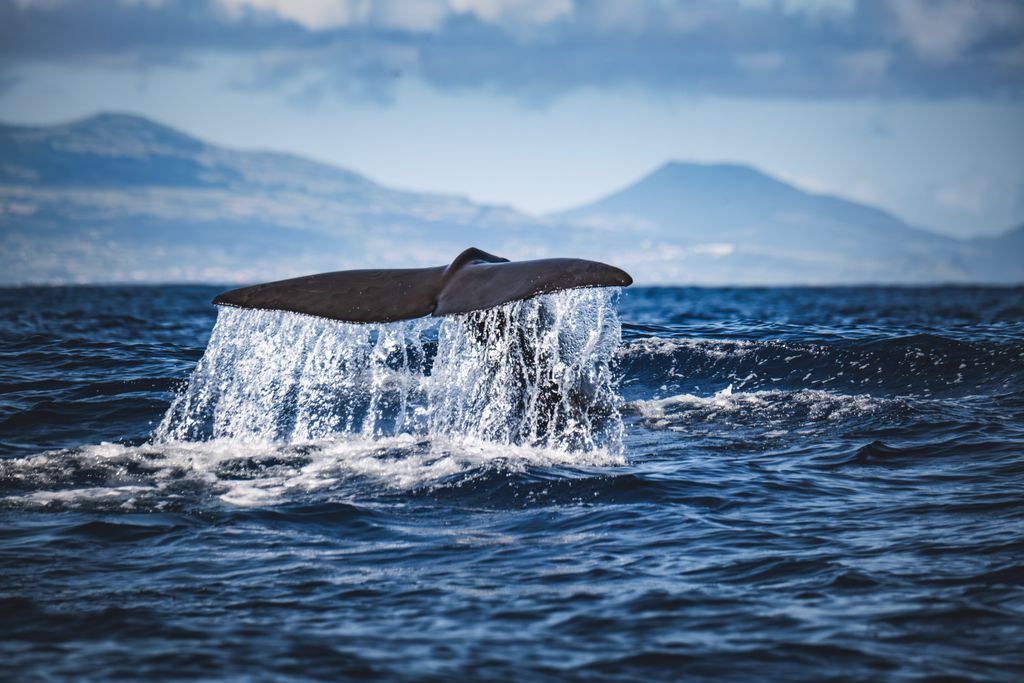
In 2024, French Polynesia – a semi-autonomous French territory – was thrust into the spotlight when the powerful break at Teahupo‘o played host to the Paris Summer Olympics’ surfing competitions. Yet, a more significant event took place that year with much less fanfare. Along with Indigenous leaders from New Zealand, Tonga, the Cook Islands and Hawai‘i, officials from French Polynesia signed He Whakaputanga Moana – a declaration recognizing whales as legal persons with inherent rights. Every year around July, humpback whales arrive in French Polynesia’s balmy waters to give birth and nurse their young. Their coming doesn’t just signal the start of tourism season – it has significant cultural ties. For thousands of years, the animals’ movement has been used as a marker of time. In Polynesian culture, whales are seen as guardians or ancestors; sacred creatures to be revered.
This deeply held respect is reflected in how tourism has been developed here to best inter-act with – and protect – marine wildlife. Widely considered one of the best whale-watching destinations for those who want to have an ethical encounter, French Polynesia has strict industry regulations, which were further tightened in 2025. Only when the conditions and behaviour of whales align just-so can a small group of swimmers slip into the water to observe the graceful giants from a safe and respectful distance. And on World Ocean Day in 2026, French Polynesia expanded its marine sanctuary – already the world’s largest – even further.

Most visitors flock to Tahiti, Bora Bora or Mo‘orea for whale-watching. I, however, flew to the tiny island of Rurutu. This raised coral atoll lacks a shallow lagoon, which allows whales to swim so close to land that they’re visible from shore. By the time I arrived in late October, the whales had already begun journeying south to their Antarctic feeding grounds – yet I didn’t miss their absence. There were so many other ways to discover the links between Polynesian culture and the ocean – like gliding across the waters of Baie de Matavai off the coast of Tahiti in a va‘a(outrigger canoe). As the saltwater splashed around me, I considered how ancient Polynesian wayfarers must have felt sailing across vast oceans in these va‘a, using only the stars, birds and waves as their guides.
Of course, there are also more contemporary ties – like overwater bungalows, said to have been pioneered in French Polynesia during the 1960s and inspired by traditional fishers’ huts. From the bathtub of my bungalow at Le Taha‘a by Pearl Resorts, I could gaze down and see colourful fish and reef sharks swimming directly below. I wasn’t on my honeymoon, but all the same, I was in love.
To be an island nation means learning to live with the constant rhythm of the ocean and its inhabitants. To be French Polynesia means finding new ways to protect and admire one of the world’s most valuable recourses.
DON’T LEAVE WITHOUT ….
- Diving at the ‘Wall of Sharks’ in the Tuamotu Archipelago, where huge numbers of gray reef sharks congregate to form a ‘wall’ in the currents at the South Pass of Fakarava Atoll.
2. Admiring how iridescent Tahitian black pearls – one of the country’s top exports – are cultivated at Love Here Pearl Farm on Taha‘a.
3. Learning to surf – another deeply spiritual Polynesian practice – at the black-sand beach