

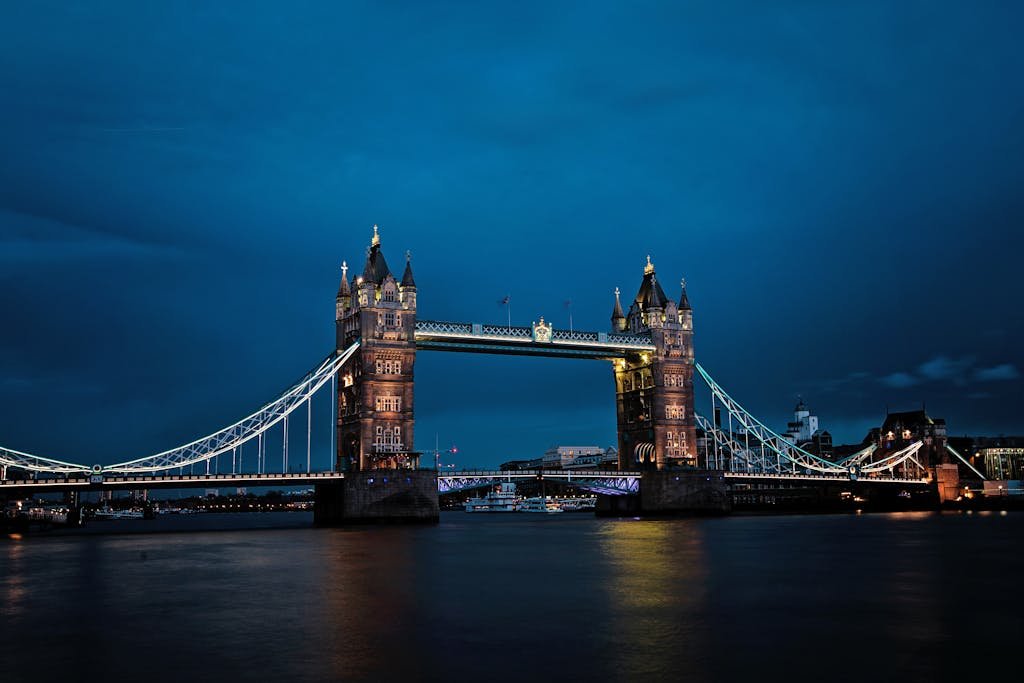
Amelia never boards a plane in a hurry. Always dressed impeccably, she glides through security, heads to the lounge door, then enjoys a coffee she orders more out of habit than need. After checking emails and the final boarding call, she boards. Business class to London. Again.
My friend never frames it as luck. Rather as something she’s arranged well in advance, much like a standing appointment she keeps with herself, funded by being very disciplined during her everyday life.
A few weeks later, across the city, another friend is packing for Wogan Valley Resort in New South Wales with her two 20-something daughters. Her life as a business woman consists of invoices, client calls, busy work schedules, and everything that goes with running a business that rarely slows down. But her travel is folded into that exact same structure.
Every payment that leaves her account carries a second life. Supplier invoices, software subscriptions, the mundane costs of keeping the lights on, filling up at the petrol station are all routed intentionally to return something over time. It doesn’t happen immediately. But it happens consistently. Because of this, she and her often her children get to turn left not right when they board flights. But these luxuries were paid for by last quarter’s tax bill and office supplies.
My friend calls it being organised. Whatever it is, being clever about how she pays for everyday life and business costs results in big dividends when it comes to the way she travels.
In Australia, loyalty ecosystems like Qantas and Velocity Frequent Flyer are designed for this. For women who pay attention, these programs become less of a gimmick and more of an instrument which rewards continuity over impulse.
What defines women like Amelia and my other friend is not a bottomless travel budget, but a relentless attention to how they live life every day. Groceries, fuel, and business expenses are all earning points. They pay attentions to platforms like Point Hacks, and study how value shifts with timing, and watch out for promotions that offer more points.
There is a discipline to it, and I’m determined to crack it. So while I’m not there yet, here are some tips I’ve gleaned so far.

The art of travelling well on points
- Think in systems, not single transactions. Everyday spending becomes more powerful when it is aligned, not scattered.
- Time matters as much as earning. The value of points is often revealed in how and when they are used.
- Design your travel goals first. Accumulation follows direction more effectively than impulse.
- Look for continuity across programs rather than isolated rewards. Ecosystems such as Qantas Frequent Flyer and Velocity Frequent Flyer work best when treated as long-term frameworks rather than short-term perks.
- Treat points as part of lifestyle rhythm, not a separate activity.