

Australian travel, it turns out, has developed a split personality. On one hand, we are creatures of comfort, loyal to destinations that feel familiar, forgiving and reliably good at delivering sunshine and smooth airport arrivals. On the other, there’s a growing cohort of travellers quietly slipping further from the map’s centre, chasing stories instead of souvenirs, depth instead of decadence.
According to a new data-led report from travel consultancy Forward Travel, Australians have spent the past four years travelling on two distinct tracks: the familiar and the fearless. Analysing outbound travel data from the Department of Home Affairs between 2021 and 2025, the report reveals not just where Australians have gone, but how our collective appetite for travel is evolving — and which destinations are poised to define 2026 and beyond.
“Australian travel is running on two tracks,” says David Smyth, founder and director of Forward Travel. “The biggest rewards now lie just beyond the usual favourites — in places that offer new perspectives and untold stories.”
It’s a sentiment that feels particularly resonant in a post-pandemic world, where travel has shifted from passive pleasure to something more intentional, more meaningful.
The Comfort Classics Still Reign
At the top of the list sits Indonesia, unshakeable and unsurprising in its dominance. Rising from third place in 2021–22 to firmly claim the number one position from 2022–23 onwards, Indonesia has become the ultimate set-and-forget destination for Australians. Affordable, close to home and endlessly varied, it delivers everything from Bali’s polished beach clubs to the raw, reef-fringed beauty of Raja Ampat.
“Indonesia is the Swiss Army knife of Aussie holidays,” Smyth says. “Easy flights, great value and incredible breadth.”
Alongside Indonesia, destinations like Singapore and New Zealand continue to anchor Australian travel habits, barely shifting in rank across four years. Fiji, Thailand, the UAE and the United States also remain steadfast favourites — the comfort corridors Australians trust. Even as curiosity grows, reliability still matters.
Japan’s Meteoric Rise
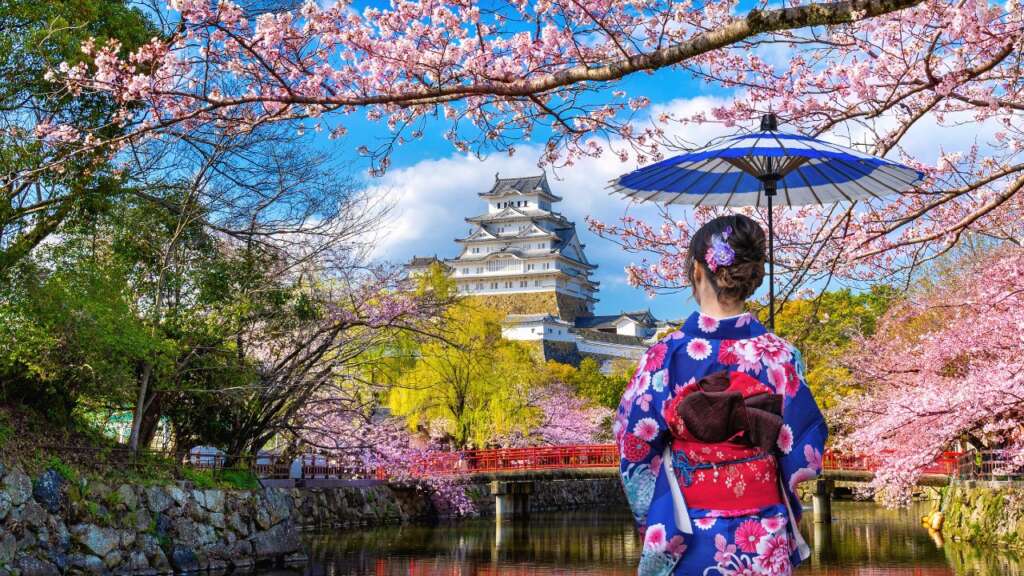
If one destination has captured Australia’s collective imagination over the past four years, it’s Japan. Climbing from 20th place in 2021–22 to fourth by 2024–25, Japan recorded the most dramatic growth of any destination analysed.
The reasons are layered: a favourable exchange rate, renewed enthusiasm for ski tourism, and an ever-deepening fascination with Japanese culture — one that extends well beyond Tokyo and Kyoto. Travellers are venturing into rural prefectures, soaking in onsen towns, dining in family-run ryokans and discovering a Japan that feels both ancient and hyper-modern.
“Travellers want connection, not just sightseeing,” Smyth explains. “Japan blends heritage with modern life in a way that feels both exciting and accessible.”
A New Definition of Luxury
Perhaps the most telling insight from Forward Travel’s report isn’t tied to a single destination at all, but to a shift in mindset. Luxury, once defined by thread counts and Michelin stars, is being quietly reimagined.
Today’s most sought-after experiences aren’t always five-star in the traditional sense. They might involve trekking through remote mountain villages, travelling alongside wildlife researchers, or exploring regions shaped by conflict and resilience. What matters now is access, authenticity and the feeling of having seen something rare and real.
“It’s not about luxury in the traditional sense anymore,” says Smyth. “It’s about connection and stories you won’t find in a guidebook.”
This experiential turn is shaping where Australians are willing to go next — and how far beyond their comfort zones they’re prepared to travel.
The Places We’ve Barely Noticed
Some of the most intriguing findings in the report come from destinations that barely register at all. Between 2021 and 2025, dozens of countries recorded fewer than five Australian visitors per year. Places like Guatemala, Panama, Angola and El Salvador remain virtually invisible on the Australian travel radar.
And yet, these are regions rich with biodiversity, culture and unfiltered encounters — places where landscapes feel untouched and travel still carries the thrill of discovery. Distance, cost and a lack of awareness keep them off most itineraries, but for travellers seeking something transformative, these “invisible” destinations may hold the greatest rewards.
“Exploring little-visited regions encourages curiosity and adaptability,” Smyth says. “Often leading to unexpected adventures, hidden gems and personal growth.”
India, the Eternal Wildcard
No destination proved more unpredictable than India. Over four years, it swung dramatically in and out of the Top 20 — climbing, dropping out entirely, then re-emerging in 2024–25.
India continues to both entice and intimidate Australian travellers. It promises extraordinary cultural immersion, but demands confidence and openness in return. As Australians grow more experienced — and more willing to travel for depth rather than ease — India may yet find itself firmly back in favour.
“India fascinates Australians,” Smyth notes. “As confidence returns, it’s perfectly placed to become one of the next great rediscoveries.”

The One-Hit Wonders
Then there are the destinations that flickered briefly into focus before fading again. Italy, New Caledonia (main feature image), South Africa and Sri Lanka each appeared in the Top 20 just once, during the unusual travel landscape of 2021–22.
Their rise wasn’t driven by desire so much as circumstance. Border restrictions, limited flight routes and travel bubbles created temporary detours in Australian travel behaviour. When borders fully reopened, travellers returned to their true preferences — and these one-hit wonders quietly slipped from view.
Looking Ahead
As Australians look toward 2026, the data tells a compelling story. We still love our favourite destinations, but we increasingly seek out places that challenge, surprise, and reshape us. The future of Australian travel isn’t about choosing between comfort and courage. It’s about knowing when to indulge in one — and when to follow the other, straight off the map.